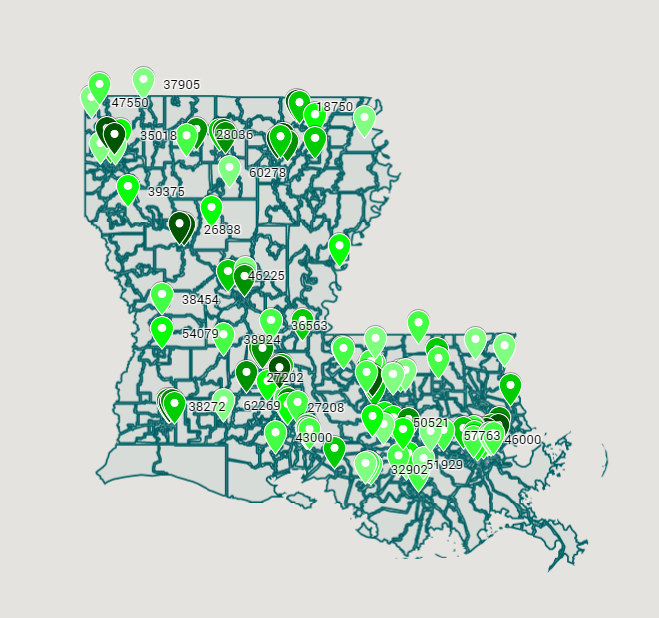
According to Congressional estimates, American taxpayers will pay about $16 billion for the Qualified Opportunity Zone program. Based on that, it seems like a small cost for the opportunity.
But what is the “opportunity,” exactly?
That’s unclear from the legislation, which does little to define what the “opportunity” is supposed to be, beyond limiting which census tracts could have been nominated. The stated goal of these QOZs are to help economically struggling areas. It accomplishes this by dangling a proverbial carrot in front of the U.S.’s wealthiest investors, in order to lead their money towards these “zones” that, normally, have a harder time attracting such investment.
In order to do this, the program needs to avoid making things worse. And the research on that is unclear. Even the U.S. Treasury Department (which administers the program) admits that the tools don’t exist to best track the performance of these zones.
At first glance, $16 billion seems like a small price to reinvigorate some of America’s most distressed communities. But it seems like a high price to pay to potentially displace these zones’ most vulnerable residents. At present, both those possibilities exist.
So it’s incumbent upon projects like this to try and make sense of it. And it’s on citizens to demand change, if warranted.